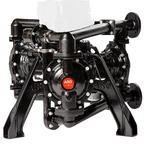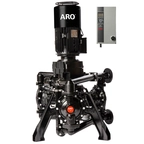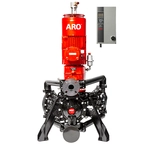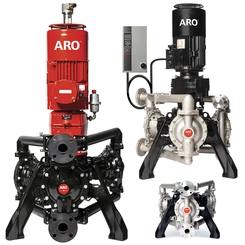
EVO 1" Metallic: The Plant-Floor Favorite for Tough Transfer Duty
The EVO Series 1" Metallic category is built for industrial teams who want the durability and broad service capability of metallic construction—paired with the modern benefits of electric diaphragm pumping. It’s designed to be a go-to solution for everyday transfer and batching, especially where reliability matters, space is limited, and operators want consistent results across changing day-to-day demands. For plants that want one dependable platform to cover common services, this category is easy to spec and easy to standardize.
One Category, Many Jobs: Industrial Versatility That Simplifies Standardization
This series is easy to specify when the pump needs to do more than one job, from routine transfer fluids to process equipment feed and utility services. The 1" Metallic bucket is positioned as a flexible platform that can move between departments without feeling over-specialized, which helps reduce the number of pump families a facility needs to support. That versatility also helps simplify procurement decisions and make spare parts strategies more consistent across the plant.
Process-Ready Performance: Consistency When Conditions Change
In real facilities, flow demands shift, backpressure changes, and duties evolve—so consistency becomes a competitive advantage. The EVO approach supports modern operation that helps keep delivery steadier and outcomes more repeatable in common workflows like batching, supply, and equipment feed. Whether you’re transferring between vessels or supporting a production line, this series is positioned to help teams reduce variability and keep the process moving smoothly.
Modern Value Without the Headache: Safety and Efficiency in One Platform
Across the EVO family, safety-forward design and efficiency-focused operation are core themes, and the 1" metallic category fits that message well. It delivers dependable diaphragm performance while supporting a modern ownership experience that reduces operational friction and supports cleaner, more controlled operation. For teams upgrading legacy setups, it feels familiar in function but more refined in execution—and easier to justify as a long-term standard.